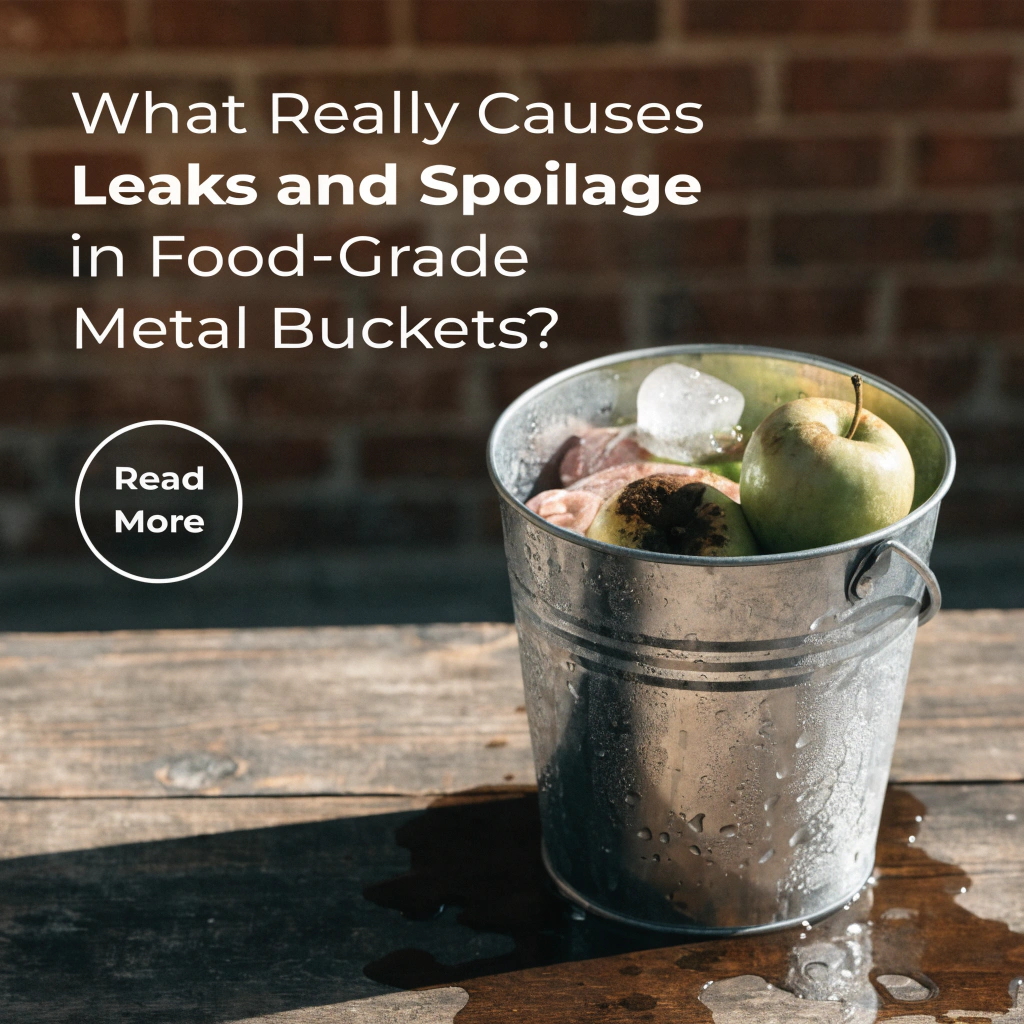
Your food packaging fails, but the damage is already done inside. Leaks and contamination aren’t accidents; they are predictable system failures that ruin products and your brand’s reputation.
Food packaging failures like leaks, corrosion, and off-flavors happen because of choices made before production even starts. They are caused by mismatched internal coatings[^1], weak seam structures, and a failure to consider the food’s chemistry, not by random manufacturing defects or accidents.
When chemical packaging fails, the problem is obvious and messy. You see a leak and you fix it. But when food packaging fails, the problem is often invisible. The flavor changes, the color degrades, and the shelf life shortens long before a customer complains. The container doesn’t just hold your food; it protects your brand’s trust. These failures are far more expensive than a simple chemical spill because they erode customer confidence slowly and silently. In this article, we’ll break down the most common failures I’ve seen in my nearly two decades in this business and show you how to prevent them.
What Causes Those Ugly Black Spots Inside Food Cans?
You open a sterilized can of corn or fish only to find small black stains on the inner surface. It makes the food look contaminated and unsafe for your customers.
These black spots are iron sulfide, a harmless but ugly compound formed when sulfur from the food reacts with exposed metal. This is prevented by using a special C-enamel internal coating[^2] that contains zinc oxide, which neutralizes the sulfur before it can stain the can.
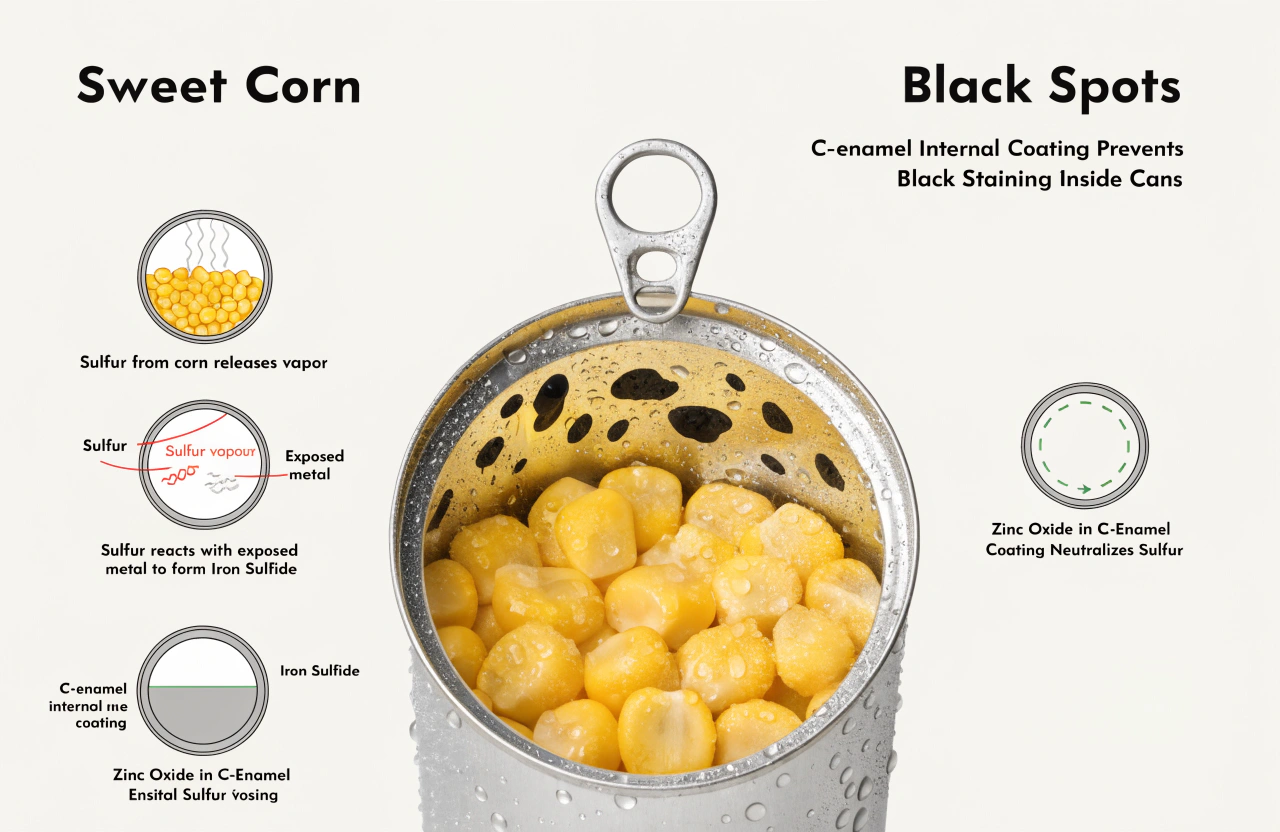
Let’s dive deeper into this common problem. Many perfectly good foods naturally release sulfur compounds, especially during the high-heat sterilization process. It’s not a sign of spoilage, but a natural chemical reaction.
The Science Behind Sulfur Staining
Foods like corn, peas, meat, fish, and poultry are high in sulfur. When heated, they release sulfur compounds that are looking for something to react with. If the can’s interior has any exposed steel-often from a poorly protected weld seam or an incompatible coating-the sulfur will bond with the iron in the steel. The result is iron sulfide, which looks like a black or brownish stain. While not dangerous, no customer wants to see that in their food.
How the Right Coating Prevents It
The solution is not to change your food, but to change the can’s internal shield. This is where a specific type of coating comes in.
| Coating Type | How it Works | Best For |
|---|---|---|
| Standard Epoxy | Provides a general barrier but offers no protection against sulfur. | Low-sulfur foods, dry goods, non-aggressive products. |
| C-Enamel (with Zinc Oxide) | The zinc oxide in the coating reacts with sulfur first, forming zinc sulfide. This compound is white and blends in with the coating, leaving no visible stain. | Corn, peas, meats, and other high-sulfur foods. |
Choosing a C-enamel coating is a simple decision that completely prevents this cosmetic, yet critical, failure.
Why Does My Packaged Food Have a Metallic Taste?
Your customers report a slight metallic flavor or an off-smell from your oil-based products. This ruins the taste, reduces freshness, and makes your product seem low-quality.
A metallic taste is often caused when oils and fats in the food react with an incompatible internal coating. Food-grade doesn’t mean flavor-neutral. The solution is to use high-purity polyester or a proven BPA-NI epoxy[^3] and ensure a controlled, thorough curing process.
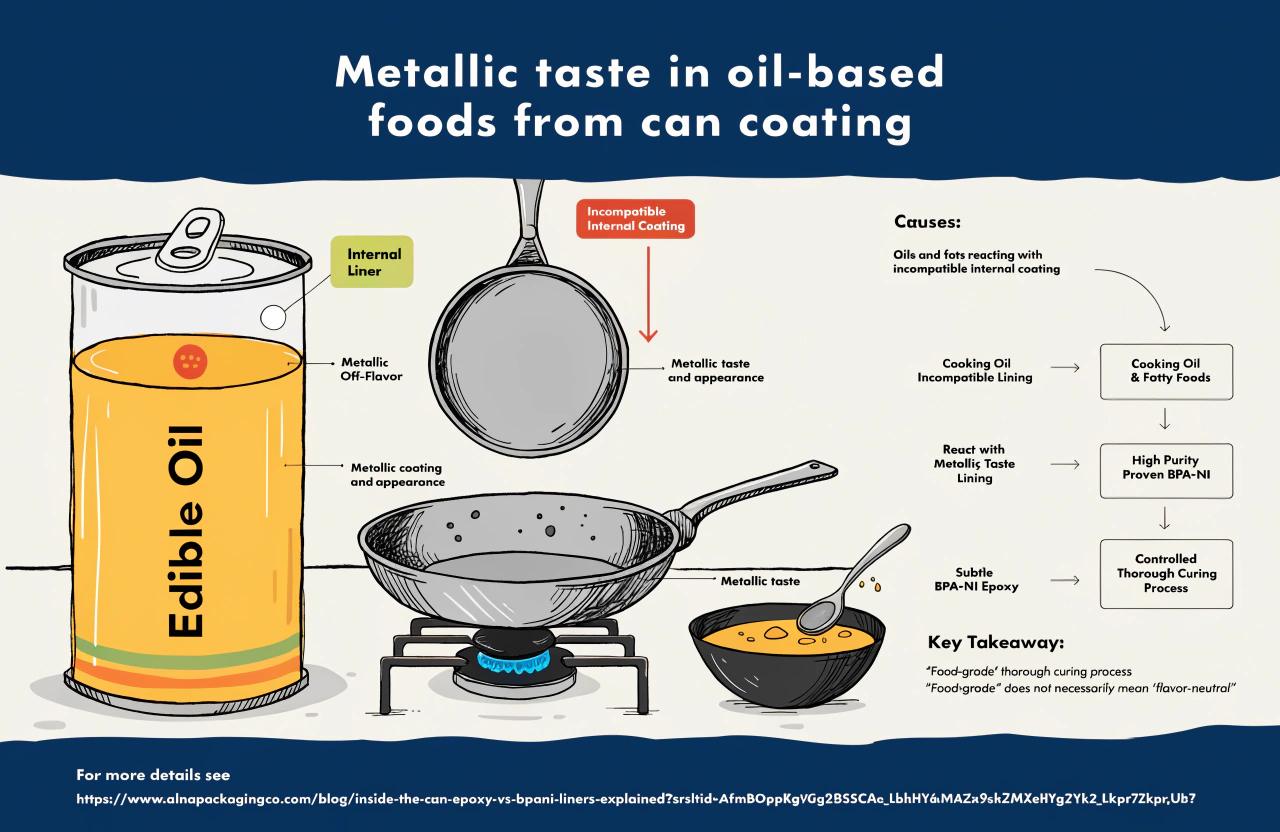
Many people I talk to assume any "food-grade" coating will work. But when it comes to fats and oils, the chemistry is more complex. Oils are aggressive solvents that can literally pull compounds out of a poorly chosen or improperly applied lining.
Why Oils and Fats Are So Aggressive
Unlike water-based products, oils can soften and penetrate certain types of coatings. If the lining material isn’t stable enough, this interaction can cause microscopic particles from the coating to leach into the food, creating that unpleasant metallic or chemical taste. It’s a slow process that might not show up in initial testing but will become obvious after a few months on the shelf.
The Key to Flavor-Neutral Packaging
Preventing flavor contamination comes down to three key factors in the manufacturing process. Getting these right is critical for any oil-based product, from cooking oils to canned fish.
| Factor | Why It Matters | The Fix |
|---|---|---|
| Coating Material | Standard coatings may not be stable enough to resist oil extraction. | Use a high-purity polyester or an oil-compatible BPA-NI epoxy specifically tested for flavor neutrality. |
| Curing Process | If the coating isn’t baked at the right temperature for the right amount of time, it won’t fully harden, making it vulnerable to leaching. | We strictly control and document our curing temperature and duration for every batch. |
| Coating Thickness | Thin or uneven spots create weak points where the oil can more easily interact with the lining and the metal underneath. | We ensure a consistent and adequate coating thickness across the entire inner surface. |
What Creates That Corrosion Ring Near the Can Seam?
After a few months in storage, you discover a thin, rust-colored line running along the inside of the can’s side seam. This is a sign of a much bigger problem.
This corrosion ring happens when the welding process burns off the internal coating, exposing bare steel. If the protective stripe applied over the weld is weak or incomplete, moisture from the food attacks the steel, causing rust, pinhole leaks, and a shortened shelf life.
This is one of the most common yet overlooked failure points in metal packaging. From the outside, the can looks perfect. But inside, a countdown to failure has already begun. The integrity of the entire container depends on a tiny strip of protective coating.
The Weakest Point in Every Welded Can
Here’s how it happens in production:
- A flat sheet of tinplate is rolled into a cylinder.
- The edges are electrically welded together to form a strong side seam.
- This intense heat burns off the original internal food-grade coating on and around the weld line. This creates a narrow path of raw, unprotected steel.
How Seam Stripe Protection Works
To fix this, a secondary coating, known as a seam stripe, is sprayed over the weld on the inside of the can. This stripe is the only thing standing between your food and bare steel. If this stripe is too thin, misaligned, or poorly applied, moisture will eventually find its way to the steel. Corrosion begins invisibly. Over time, it creates a rust-colored ring and can eat through the metal, forming pinholes that cause micro-leaks and spoil the product. Ensuring a thick, perfectly centered, and properly cured seam stripe is a non-negotiable step in our quality process.
Why Do My Buckets Leak or Swell During Shipping?
Your buckets pass every quality check at the factory. But weeks later, your customer calls to report that lids are bulging or leaking after being shipped, especially for export.
This happens when temperature changes, vibration, and stacking pressure cause air or food inside to expand. If the bucket has a standard 3-layer seam, it can deform under this pressure, compromising the gasket and causing leaks. A reinforced 5-layer seam is essential for durability.
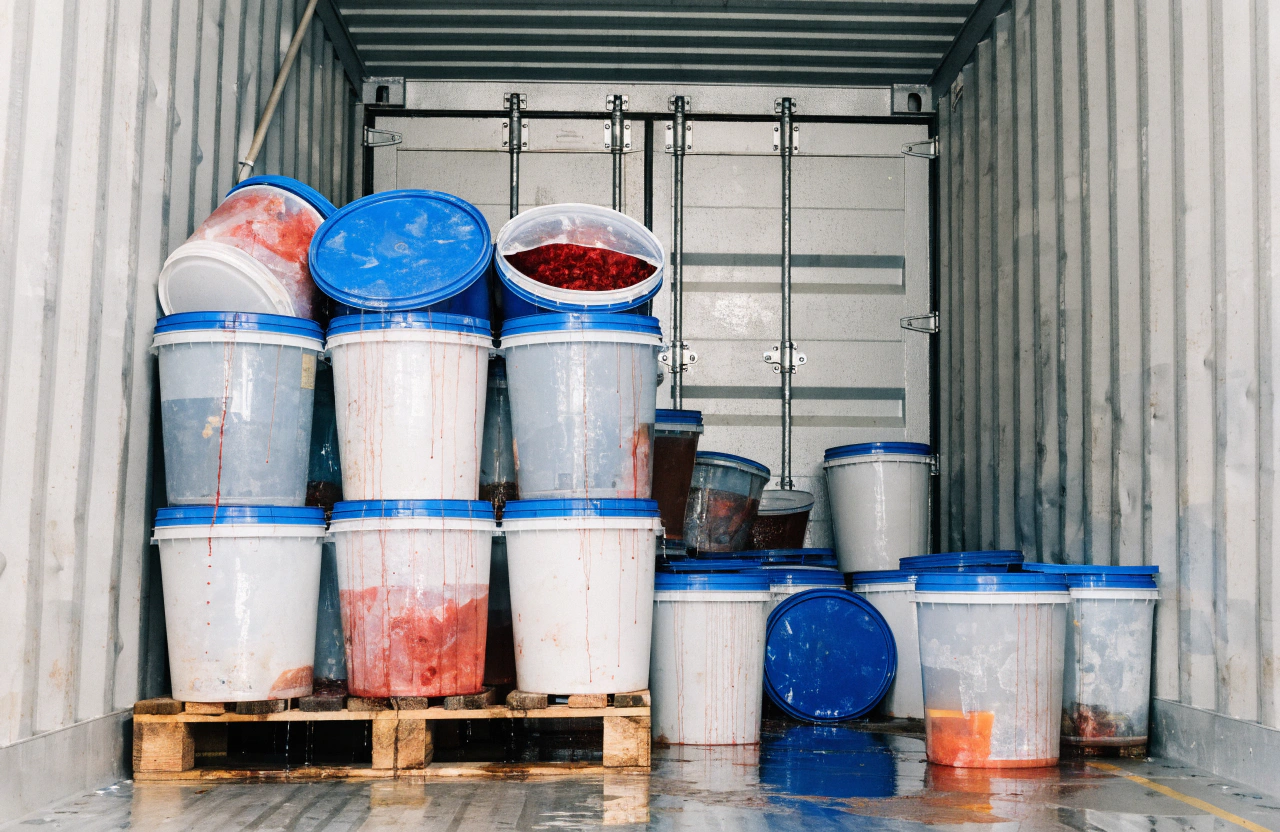
This is a classic logistics failure. The problem isn’t the bucket itself when it’s sitting still; it’s the bucket’s inability to handle the dynamic stresses of being transported around the world.
The Hidden Stresses of Logistics
A shipping container is a harsh environment. Temperatures can swing wildly, causing the contents of a bucket to expand and contract. Constant vibration during road or sea transit puts stress on every component, especially the lid and seam. Add the immense weight from stacking pallets, and you have a recipe for failure if the structure isn’t strong enough. Food products with even minor residual fermentation can create significant internal pressure, making a strong seal even more critical.
Structural Integrity: 3-Layer vs. 5-Layer Seams
The solution lies in the engineering of the top seam where the lid and body meet. Not all seams are created equal.
| Seam Type | Structure | Best Use Case | Risk Factor |
|---|---|---|---|
| Standard 3-Layer | A simpler seam with fewer folds of metal. It’s faster and cheaper to produce. | Small containers, non-volatile contents, stable storage conditions. | High risk of deformation under pressure or vibration, leading to gasket failure and leaks. |
| Reinforced 5-Layer | More complex, interlocked folds of metal create a rigid, channel-like structure. | Larger buckets (5L+), export shipping, products with expansion potential, and heavy stacking. | Low risk of failure. The structure maintains its shape, keeping the gasket compressed and the seal intact. |
For any product facing the rigors of modern logistics, we always recommend a reinforced 5-layer seam. It’s a small investment in structure that prevents catastrophic failures down the line.
How Can Shelf Life Decrease if the Can Looks Perfect?
Your product’s color is fading, the flavor is changing, and customers are returning it months before the expiration date. Yet, the can itself looks completely fine.
This happens because of micro-level oxygen ingress-tiny amounts of air getting in through invisible defects. These can be caused by poor seam compression, micro-fractures in the metal from deep drawing, or an uneven coating. It’s a failure of manufacturing discipline.
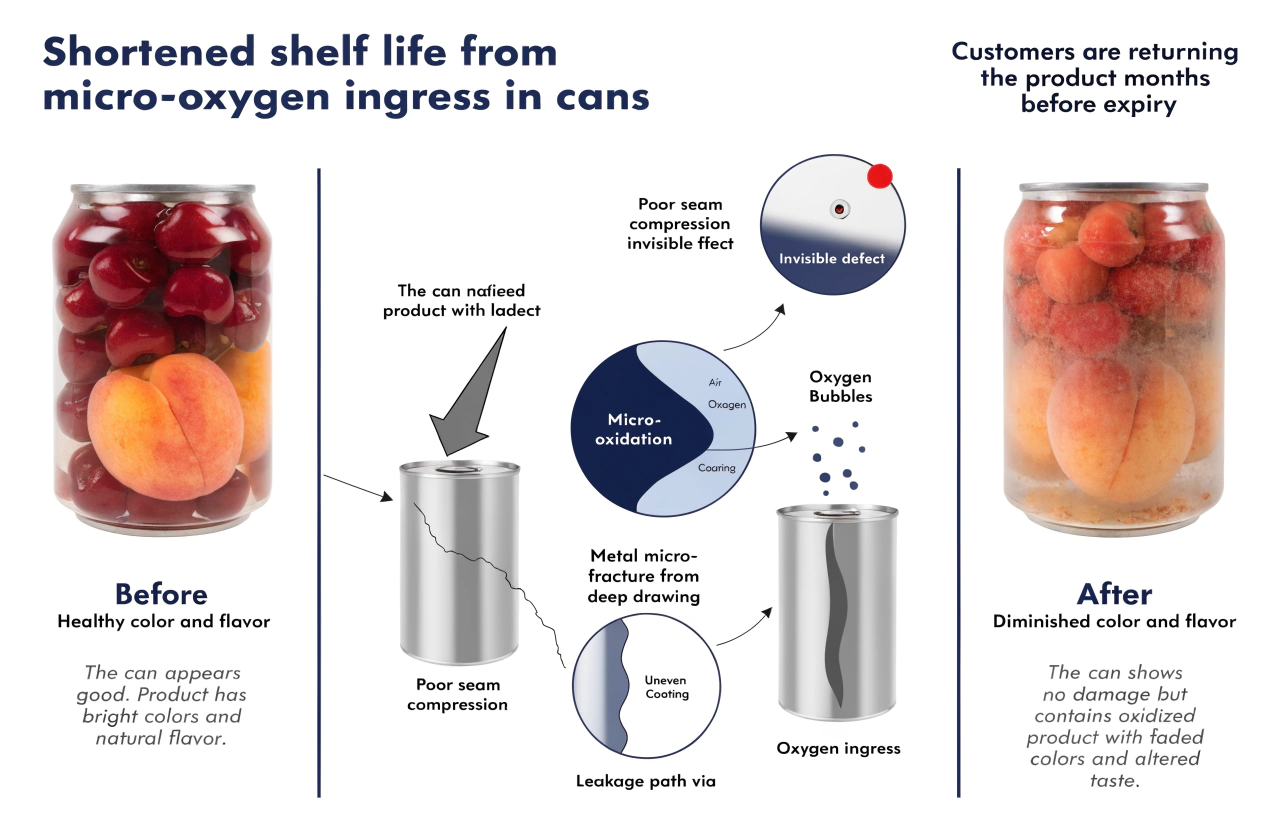
This is the most dangerous type of failure because it’s completely invisible. You can’t see the problem, but it slowly degrades your product quality from the inside out, damaging your brand’s reputation for freshness and quality.
The Invisible Enemy: Micro-Oxygen Ingress
Metal is an excellent barrier against oxygen, far better than plastic. However, this advantage is only realized if the package is manufactured with extreme precision. We’re not talking about a visible leak. We’re talking about microscopic pathways that allow a few molecules of oxygen to enter the can every single day. Over a period of months, this is enough to cause oxidation, which leads to stale flavors, color loss, and nutrient degradation.
Where Manufacturing Discipline Makes a Difference
These invisible defects are not random. They are the direct result of a lack of control over the manufacturing process. Here are the primary culprits:
- Uneven Seam Compression: If the pressure applied when sealing the lid isn’t perfectly uniform, tiny gaps can exist in the gasket.
- Micro-Fractures: When making cans with complex shapes (a process called deep drawing), the metal is stretched. If not done correctly, this can create microscopic fractures in the steel and its coating.
- Inconsistent Coating Thickness: A thin or weak spot in the internal lining can also become a pathway for oxygen over time.
This is why we are so focused on process control. It’s the only way to ensure the theoretical barrier properties of metal become a reality for your product’s shelf life.
How Can You Prevent These Food Packaging Failures?
You’re worried about these invisible failures happening to your product line. Choosing the wrong supplier can lead to recalls, customer complaints, and serious brand damage.
You can prevent these failures by treating packaging as a system, not a commodity. The root cause is almost always a decision problem, not a material defect. Asking your supplier detailed questions about their process before production begins is the best prevention method.
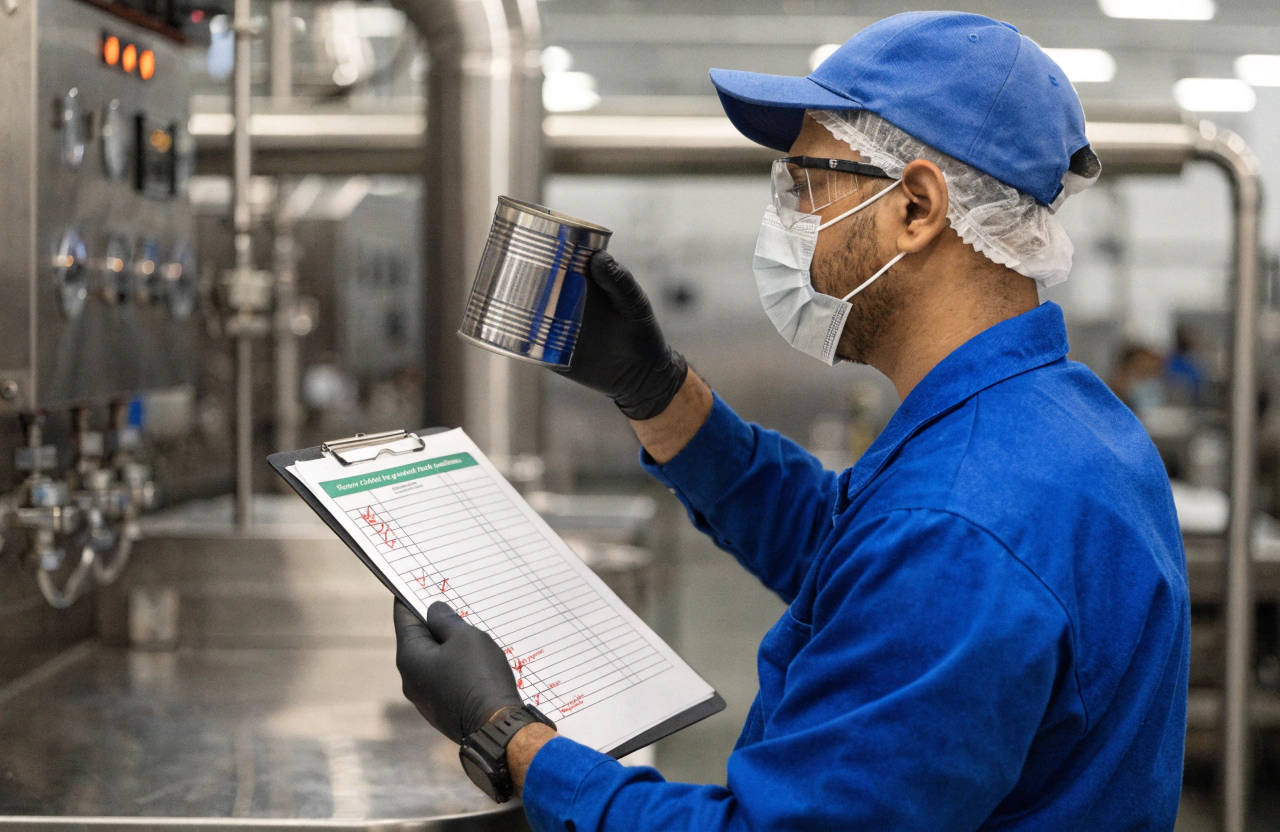
Every failure we’ve discussed shares one common theme: it was preventable. The mistake happened long before the can was even made, usually because an assumption was made. "Food grade" was assumed to be a universal standard, or a seam structure was minimized to save a few cents. A reliable bucket and a risky one look identical from the outside. The difference is in the engineering and quality control decisions made behind the scenes.
Your Pre-Production Prevention Checklist
Before you place your next order for metal food buckets, ask your supplier to confirm and document these five points. If they can’t give you clear, confident answers, you are taking on unnecessary risk.
- Is the coating matched to my food’s chemistry? They must account for your product’s specific acid, sulfur, and oil content. Demand to know which coating they selected and why it’s compatible.
- How is the weld seam internally protected? Confirm that a secondary protective stripe is applied over the weld and ask about the material and application thickness. This is a critical failure point.
- Is the seam structure reinforced for transport? For buckets 5L or larger, or for any product being exported, a 5-layer seam should be the minimum standard. Don’t let a supplier cut costs here.
- How are the coating cure temperature[^4] and thickness controlled? Ask for documentation. Inconsistent curing and thin spots are leading causes of flavor contamination and corrosion.
- How are transport conditions considered in the design? The supplier should be thinking about stacking pressure, vibration, and temperature swings. The structural design must be robust enough for the entire supply chain.
Conclusion
Food packaging failures don’t start in the warehouse; they begin in the specification stage. Choosing the correct internal coating and seam structure is far less expensive than a product recall.
Need Food-Grade Metal Cans for Your Product?
We supply food-grade metal pails and cans with FDA-compliant epoxy-phenolic and gold lacquer coatings. Our 5-layer reinforced seam design has shipped to coffee, edible oil, and condiment brands in 12+ countries. Browse our food-grade packaging line or request a free sample to verify compatibility with your product.
Related Reads
- How to Test Metal Bucket Compatibility Before Mass Production
- What Is UN Rated Packaging for Chemicals?
[^1]: Learn how mismatched coatings can lead to packaging failures and how to select the right coating for your product.
[^2]: Explore how C-enamel coatings prevent sulfur reactions and maintain the aesthetic quality of canned foods.
[^3]: Learn about BPA-NI epoxy and its role in preventing flavor contamination in packaged foods.
[^4]: Find out how proper curing processes ensure coating stability and prevent flavor contamination.